
3D Visualization
How 3D Product Modeling Helps E-commerce Businessess
In the competitive world of e-commerce, static 2D images often fall short in conveying a product's true essence. **3D product modeling** offers a dynamic solution, allowing customers to interact with items virtually before purchase. This technology helps bridge the gap between physical inspection and online shopping, providing a richer, more informative experience.
By The Imagine Studio · · 6 min read
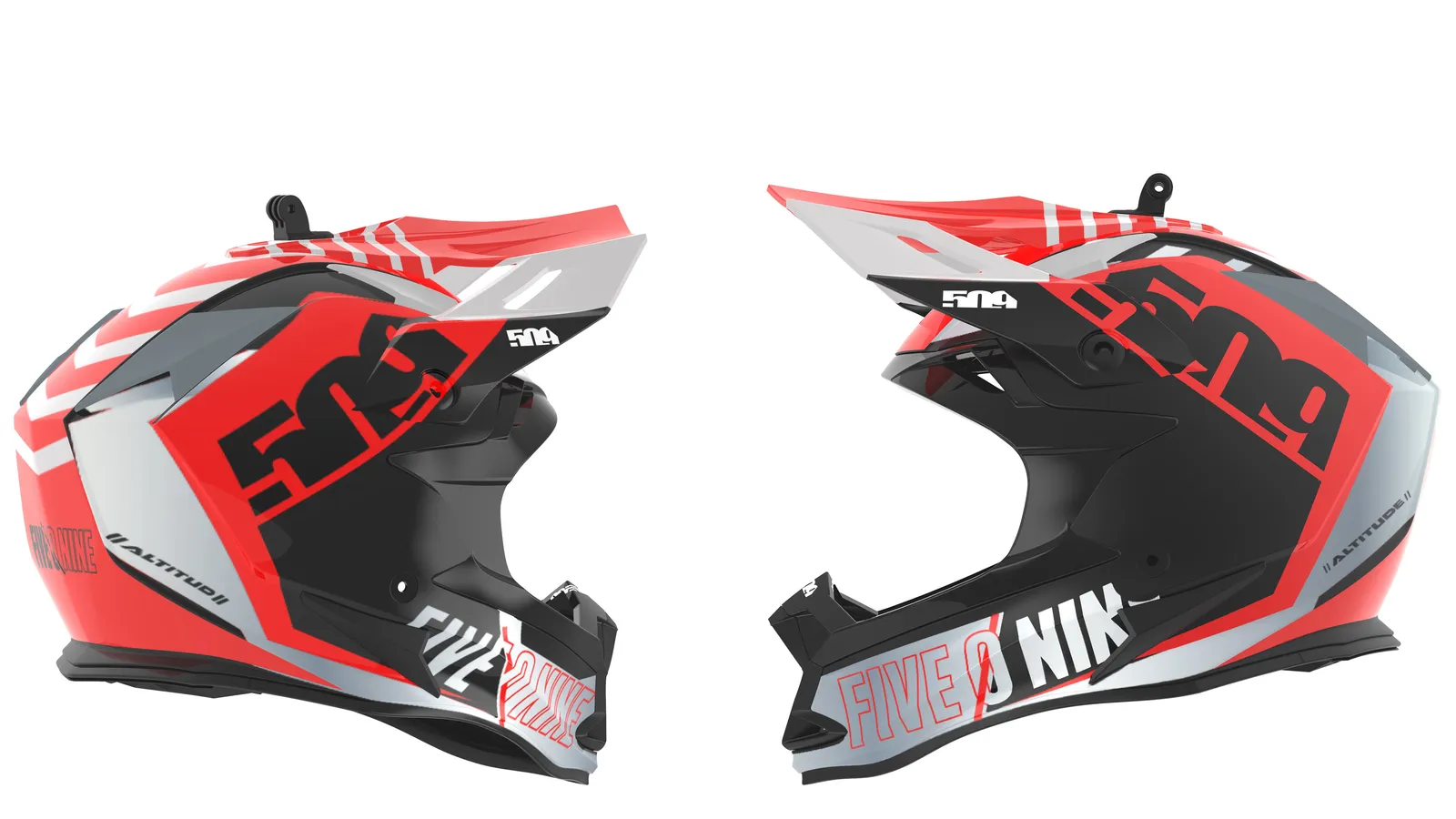
Key takeaways
- 3D product modeling provides interactive, realistic visuals for e-commerce.
- It reduces product returns by offering clearer expectations.
- Offers cost-effective alternatives to traditional photography for diverse product views.
- Enhances customer engagement through 360-degree views and Augmented Reality (AR) experiences.
What is 3D Product Modeling for E-commerce?
3D product modeling is the art and science of creating a digital, three-dimensional replica of a physical product. For e-commerce businesses, this technology is transforming how products are presented online, moving beyond static imagery to dynamic, interactive experiences. It involves using specialized software to build a virtual representation from scratch or based on existing designs, capturing every dimension, curve, and texture with precision.
This digital asset can then be utilized in numerous ways: generating photorealistic still images from any angle, creating animated videos demonstrating product features, developing interactive 360-degree product viewers for websites, or even preparing assets for augmented reality (AR) and virtual reality (VR) applications. The fundamental idea is to offer customers a comprehensive visual understanding of a product that mimics the in-store experience, but from the convenience of their screen.
The versatility of a 3D model means that once a product is digitally replicated, it can be easily modified. For instance, color changes, material swaps, or different configurations can be rendered instantly without the need for physical prototypes or repeated photo shoots. This flexibility is a significant advantage for businesses dealing with customizable products, multiple variants, or those looking to test different designs rapidly.
Why Traditional Product Photography Falls Short Online
Traditional 2D product photography, while a staple of e-commerce, inherently faces limitations when trying to replicate the tactile experience of shopping in a physical store. Flat images, no matter how high-quality, cannot fully convey the depth, scale, and intricate details of a product in a way that allows a customer to feel truly informed. This often leaves online shoppers with unanswered questions about product dimensions, texture, or how an item might look from an unconventional angle.
This gap in visual information can lead to customer hesitation, as they might be reluctant to purchase something they can't fully inspect. For complex products, like machinery, custom furniture, or detailed electronics, the inability to zoom, rotate, or view specific components can be a major barrier to conversion. The ambiguity often translates into higher customer service queries and, more critically, increased product return rates due to mismatched expectations.
Furthermore, traditional photography requires physical products to be present for every shoot. This can be costly and time-consuming, especially for businesses with large inventories, customizable options, or products that are still in the conceptual or prototyping phase. Every new variant, color, or minor design change necessitates a new photoshoot, incurring significant logistical and financial overhead.
Core Benefits of 3D Product Modeling for Online Stores
Embracing 3D product modeling can fundamentally transform an e-commerce business's online presence, leading to enhanced engagement, reduced operational costs, and ultimately, higher sales. The transition from static imagery to dynamic 3D visuals addresses many of the inherent challenges of online retail, setting a business apart in a competitive digital landscape.
One of the most compelling benefits is the creation of highly interactive product experiences. With 3D models, customers are no longer passive viewers. They can drag, spin, zoom, and even explode views of products, examining every detail from a 360-degree perspective. This hands-on interaction makes the shopping experience more engaging and informative, building confidence in the purchase decision. These interactive views are a cornerstone of effective 3D product modeling.
The integration of Augmented Reality (AR) "try-before-you-buy" features offers an unparalleled customer experience. Imagine a customer virtually placing a new sofa in their living room, or trying on a pair of glasses, all through their smartphone camera. This not only solves common spatial and fit concerns but also creates a memorable, immersive brand interaction that significantly boosts purchase intent and reduces post-purchase disappointment. This innovative approach is powered by advanced 3D visualization techniques.
A significant outcome of improved visualization is the dramatic reduction in product returns. When customers have a precise understanding of a product's size, texture, color, and functionality before buying, the likelihood of receiving an item that doesn't meet expectations plummets. This directly impacts a business's bottom line by cutting down on return shipping costs, restocking fees, and the environmental footprint of logistics.
From an operational standpoint, 3D product modeling offers remarkable cost and time efficiencies. Producing hundreds of high-quality photos for every product variation (different colors, materials, configurations) can be incredibly expensive and time-consuming. With a single 3D model, countless photorealistic renders can be generated in various settings, lighting conditions, and with different material choices, all without needing a physical prototype. Our 3D rendering services specialize in creating these diverse, high-quality images efficiently.
Beyond product pages, 3D models provide immense marketing flexibility. They can be repurposed across all channels: for engaging social media posts, interactive ads, e-learning content for product usage, or even animated explainer videos. This consistency in high-quality visual assets strengthens brand identity and enhances recall across the customer journey.
The Process of Creating 3D Product Models for E-commerce
The journey from a product concept or physical item to a dynamic 3D model involves a structured, multi-step process. It typically commences with a thorough data gathering phase. This is where the studio collects all available information about the product: engineering drawings (CAD files), detailed sketches, photographs from all angles, material samples, specific dimensions, and any particular features or functionalities that need to be highlighted. Precision at this stage is paramount for an accurate final model.
Following data collection, the core 3D modeling phase begins. Expert artists use sophisticated software to construct the geometric mesh, essentially building the product's digital skeleton. This involves careful polygon modeling to replicate the product's shape, curves, and sharp edges accurately. Attention is paid to optimizing the model for web use, ensuring it is detailed enough for visual fidelity but also lightweight enough for fast loading times on e-commerce platforms. This stage is crucial for creating a robust foundation for the visuals, often starting with precise measurements from prototyping documents.
Once the base model is complete, texturing and material application bring it to life. This involves applying realistic textures that mimic real-world materials like wood, metal, fabric, or plastic, along with defining properties such as color, reflectivity, transparency, and roughness. The goal is to make the digital model indistinguishable from its physical counterpart under optimal lighting conditions.
The final stages involve lighting, camera setup, and rendering. Professional lighting schemes are designed to showcase the product's best features, creating shadows and highlights that add depth and realism. Virtual cameras are positioned to capture compelling angles. Finally, the model is rendered, a computational process that generates high-resolution images, interactive sequences, or animations. The output quality here directly influences how appealing and realistic the product appears to potential customers.
How to Choose a 3D Product Modeling Studio
Partnering with the right 3D product modeling studio is a critical decision that can significantly impact the quality of your e-commerce visuals and overall project success. Begin by thoroughly reviewing their portfolio. Look for examples that align with your product category and desired aesthetic. Assess the realism, detail, and technical quality of their past work, paying attention to how they handle different materials and lighting conditions.
Communication and project management are key factors. A reliable studio will have a clear process for onboarding, regular updates, feedback rounds, and transparent timelines. Discuss how they handle revisions and ensure they understand your brand guidelines and specific product features. Effective communication helps avoid misunderstandings and ensures the final output meets your expectations.
Inquire about their technical capabilities and software proficiency. Confirm that they can work with your existing design files (e.g., CAD data) and deliver outputs in formats compatible with your e-commerce platform, 3D viewer, or AR application (such as GLB, USDZ, or FBX). Their expertise in optimizing models for various web and mobile environments is vital to ensure fast loading speeds and a seamless user experience, which is an integral part of 3D visualization expertise.
Finally, discuss scalability and long-term support. Can they handle a growing catalog of products? Do they offer maintenance or updates for existing models? A studio that acts as a true partner will not only deliver on the current project but also provide valuable insights for future visual content strategies, helping your e-commerce business continuously innovate its product presentation.
Frequently asked questions
What kind of file formats are typically delivered for 3D product models?
Common formats include FBX, OBJ, GLB/GLTF, and USDZ, which are suitable for various platforms, including e-commerce websites, AR applications, and 3D viewers. The specific format depends on the intended use.
How long does it take to create a 3D product model?
The timeline varies significantly based on product complexity, level of detail required, and the number of products. Simple models might take a few days, while highly detailed or complex products with many variations could take several weeks.
Can 3D product models integrate with existing e-commerce platforms?
Yes, most modern e-commerce platforms (like Shopify, WooCommerce, Magento) support the integration of 3D models and AR experiences, often through apps or custom code. Studios can provide guidance on compatibility.
Is 3D product modeling only for high-value products?
While high-value or complex products often see the greatest return on investment, 3D modeling can benefit any product category by improving customer understanding and reducing returns. The decision often comes down to budget versus potential impact on sales and customer experience.